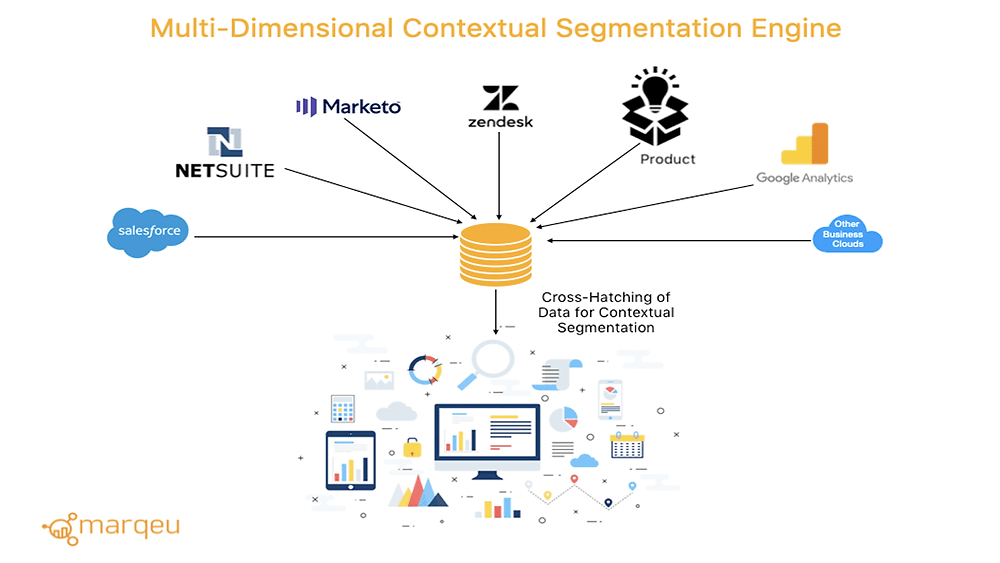
As a Product Lead, one of my core responsibilities is ensuring that our product development process is streamlined, aligned with strategic goals, and fosters collaboration across teams. A well-crafted product specification document—or product spec—is central to this effort. It acts as a shared blueprint, guiding engineers, designers, marketers, and other stakeholders toward a unified outcome. In this post, I’ll walk through how I applied product spec writing best practices to the development of our Segmentation Engine, a tool designed to enhance how we understand and engage with our customers.
While I own the product spec as the product manager, its strength comes from the collective input of the team—blending user research, design principles, technical feasibility, and business needs. The Segmentation Engine project demonstrates how a structured and thoughtful spec can drive clarity and innovation.
The Opportunity: Why Build a Segmentation Engine?
Every product begins with a problem worth solving. For the Segmentation Engine, the opportunity was clear: our teams needed a way to group customers based on shared traits to deliver more tailored experiences. This tool would enable us to:
Consider a retailer aiming to boost sales. Rather than sending a generic discount to everyone, they could target frequent buyers with loyalty perks or re-engage inactive customers with special offers. The Segmentation Engine makes this kind of precision possible, enhancing customer satisfaction and business outcomes.
Below is the mindmap created along with all the stakeholders, Engineering and UX team to:

Target Audience: Who Benefits?
A product spec must define its audience with precision. For the Segmentation Engine, the primary users were:
By focusing on these internal stakeholders, we ensured the tool directly supported those driving customer engagement and growth.
Customer Insights: Grounding the Vision in Research
User empathy is the foundation of any great product. For this project, we synthesized feedback from surveys and interviews with our teams. Key insights included:
One team member said, "I need to see how many customers are in a segment and their key traits without jumping through hoops." This shaped our focus on usability and transparency.
Competitive Insights: Learning from Others
To build a standout tool, we studied how competitors approached segmentation. We found:
These findings inspired us to create a tool that balances powerful functionality with accessibility, while also drawing ideas from customer-centric leaders outside our industry.
Success Metrics: Measuring Impact
A spec must clarify what success looks like. For the Segmentation Engine, we defined:
These metrics gave the team a clear lens for decision-making and trade-offs.
Scope: Defining the Core Functionality
The scope outlines what’s needed to deliver the product. For the Segmentation Engine, key requirements were:
We also noted future possibilities—like predictive segment suggestions—but kept them out of the initial release to maintain focus.
Experience: Prioritizing Usability
Working with our designer, we set experience goals rather than dictating details:
Imagine a marketer creating a segment like "customers inactive for 30 days"—they’d see the results instantly and adjust as needed. This focus on intuitiveness drove adoption.
Implementation Details: Supporting the Vision
We included only technical details that impacted the user experience, such as:
This approach empowered engineers to own the architecture while ensuring user needs were met.
Launch Plan: Rolling Out Thoughtfully
A phased launch minimized risk:
This let us refine the tool iteratively and manage system load effectively.
Investigative Metrics: Planning for Growth
To enable future improvements, we tracked:
This data ensures we can evolve the tool based on real insights.
FAQs: Capturing Key Decisions
We documented major choices in an FAQ section, like:
This reduced confusion and kept the team aligned.
The Living Spec: Iteration in Action
A product spec evolves with the project. For the Segmentation Engine, we reviewed it regularly, adapting to new feedback and insights. This flexibility kept us on track and responsive to change.
Conclusion: The Value of a Great Spec
A product spec is more than a document—it’s a tool for alignment and empowerment. By defining the opportunity, audience, insights, metrics, scope, experience, implementation, launch, and future data needs, we built a foundation for success. The Segmentation Engine shows how this process drives clarity and delivers value.
If you’d like to discuss product spec writing or product management, feel free to connect with me on LinkedIn or email me—I’m always open to sharing and learning.
Final Product UI

